You are about to swap tokens on a familiar DeFi app. The wallet shows a network you recognize, the transaction seems routine, and the amount is not life-changing. Then a second window appears asking you to approve a token for spending. Many users treat that approval as a minor step before the “real” transaction. It is not. The approval can create a lasting permission that a smart contract may use later, even when you are no longer on the site.
This is the central security problem of multi-chain wallets: convenience expands the number of assets, networks, applications, and permissions a user must keep straight. A wallet can make signing easier without making the underlying system simple. The useful question is therefore not “Which wallet is safest?” It is “Which control reduces which risk, and what remains outside the wallet’s protection?”
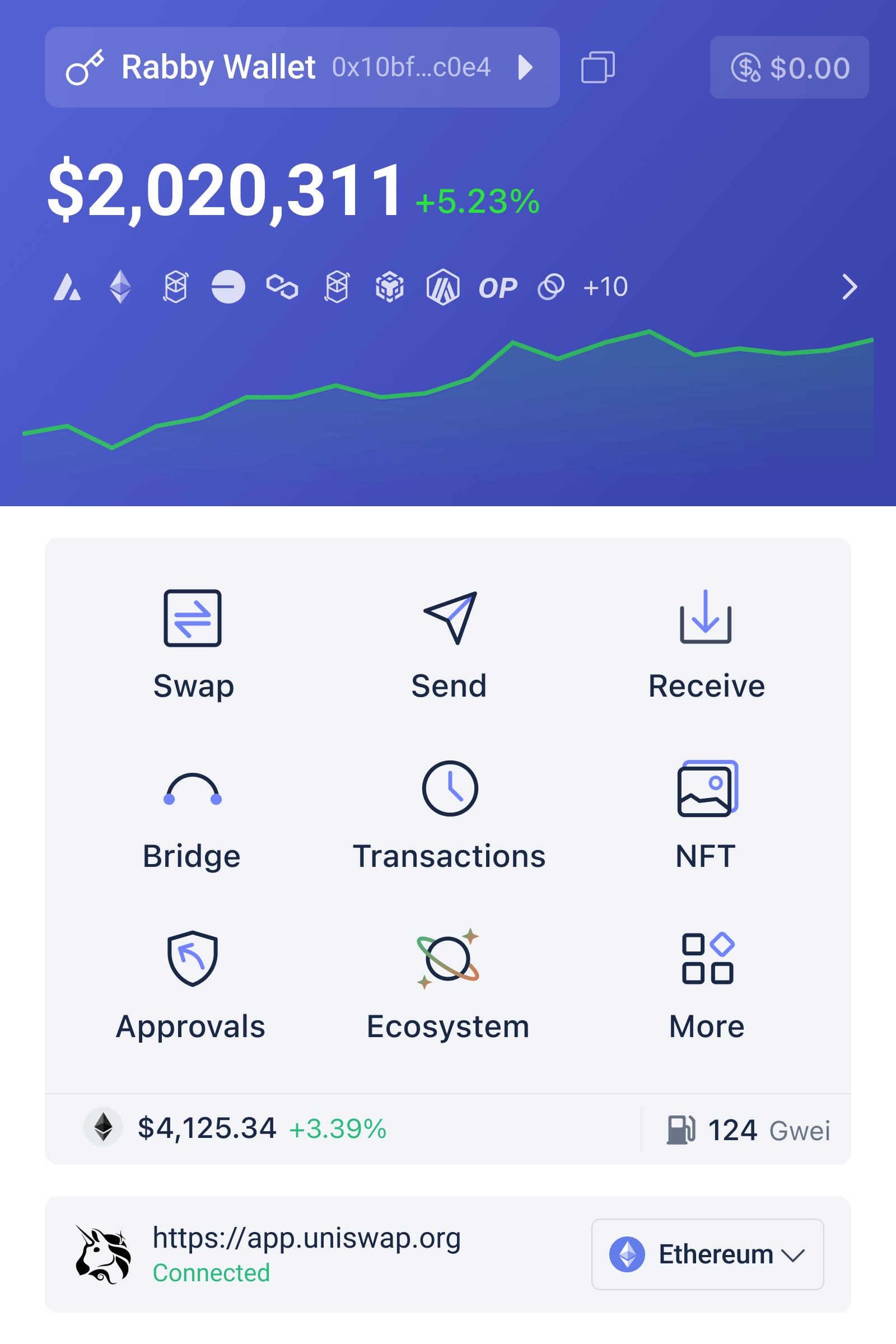
Two Wallet Models, Two Different Security Trade-Offs
A browser wallet and a hardware wallet protect different parts of the signing process. A browser extension is close to the applications you use: it can connect to decentralized exchanges, lending protocols, bridges, and other Web3 services with relatively little friction. That proximity improves usability and can support clearer transaction review, but it also places the wallet in the same environment as websites, browser tabs, extensions, and potentially malicious scripts.
A hardware wallet moves the private key into a separate device. Even if a computer is compromised, the attacker may still need the user to confirm a transaction on the device. This creates a valuable separation between the screen where a user browses and the device that authorizes movement of funds. The trade-off is practical: hardware wallets can slow down frequent DeFi activity, introduce setup and recovery responsibilities, and do not automatically make a malicious transaction understandable.
That last point is easy to miss. A hardware wallet can protect a key while the user knowingly approves a dangerous allowance or signs an unfamiliar contract call. Key isolation reduces some attack paths; it does not replace transaction comprehension. In the same way, a software wallet may provide useful warnings or simulations, but those signals depend on the wallet’s ability to interpret the application and contract correctly. Neither model turns an untrusted website into a trusted one.
For many US-based DeFi users, the sensible comparison is not browser wallet versus hardware wallet as an either-or choice. A browser wallet may be appropriate for a limited operating balance and routine activity, while a hardware wallet can serve as a deeper reserve or a second approval layer. The correct arrangement depends on transaction frequency, portfolio size, technical confidence, and tolerance for operational friction.
Why Multi-Chain Use Changes the Risk Calculation
On one network, users may already struggle to distinguish a token balance from a token permission. Across several networks, the problem becomes a tracking problem. The same token symbol may appear on different chains, contract addresses may differ, and an approval granted on one network does not necessarily behave like an approval on another. A wallet address can also have different balances and permissions depending on the chain being viewed.
This creates what might be called a fragmented security state. Your wallet is one identity from your perspective, but its exposures are distributed across networks and applications. A periodic review of one chain can give false confidence if an old approval remains active elsewhere. Likewise, moving assets to a new chain does not erase permissions that were granted on the original chain.
When installing a browser extension, the basic discipline is as important as the brand. Use the project’s official distribution path, verify that the extension is the expected one, and never type a recovery phrase into a website or chat window. A legitimate installation does not require surrendering the seed phrase to “activate” a wallet. Users who want to evaluate the rabby wallet extension should treat installation as a security procedure, not merely a download.
After installation, separate test activity from meaningful holdings. A small test transaction can reveal whether the expected network, recipient, token, and fee behavior are present. This is not a guarantee of safety, but it limits the cost of a configuration mistake. It also helps expose a common failure mode: users believe they are on one chain while the wallet or application is operating on another.
Token Approvals: The Permission Behind the Transaction
An ordinary token transfer usually moves tokens directly from the wallet. A token approval works differently. It tells a smart contract that it may spend a specified amount of a particular token on the user’s behalf. A decentralized exchange may need this permission before taking tokens for a swap; a lending protocol may need it before accepting a deposit. The approval is separate from the later action.
This distinction matters because the permission can outlive the immediate transaction. If the allowance is unlimited, the contract may be able to draw future tokens of that type, subject to the contract’s logic and the chain’s rules. If the contract is exploited, upgraded in a risky way, or simply not the contract the user intended to trust, an old approval can become an attack surface.
Unlimited approvals are not automatically malicious. They can reduce repeated signing and make a protocol more convenient. But convenience shifts the burden from repeated confirmation to ongoing monitoring. A limited approval may require more transactions and more network fees, yet it narrows the maximum exposure under certain failure scenarios. The better choice depends on the value involved, how often the protocol is used, and whether the user is willing to review permissions regularly.
Revoking an approval is also not the same as reversing a theft. Revocation changes a permission going forward; it cannot restore assets already removed. It also requires an on-chain transaction, which means the user needs enough native currency for the network fee and must still verify the destination and contract involved. In some cases, setting an allowance to zero is the conventional way to remove spending authority, but users should confirm that the action refers to the intended token and spender.
Side-by-Side: Browser Extension, Hardware Wallet, and Approval Hygiene
| Approach | Primary strength | Main limitation | Best-fit scenario |
|---|---|---|---|
| Browser extension | Fast interaction with DeFi applications and visible signing workflow | Exposed to browser, website, and user-interface risks | Active use with a controlled operating balance |
| Hardware wallet | Private-key isolation from the everyday computer | Added friction and no automatic protection from user-approved bad calls | Longer-term holdings or higher-value transactions |
| Approval management | Limits the authority granted to contracts | Requires chain-by-chain monitoring and additional transactions | Reducing exposure after using unfamiliar or infrequently used protocols |
The table reveals a sharper mental model: wallet security has at least three layers. The first is custody—who or what controls the private key. The second is intent verification—whether the transaction actually matches what the user thinks they are doing. The third is permission management—what authority has already been granted to contracts. Improving one layer does not automatically improve the others.
Transaction simulation and warnings can be useful at the intent-verification layer. They may help a user see that a proposed action transfers an unexpected asset, interacts with an unfamiliar contract, or produces a result different from the advertised swap. Yet simulations have boundaries. They depend on available data, the state of the chain, and the ability to interpret complex contract behavior. A warning should prompt investigation, while the absence of a warning should not be treated as a certificate of safety.
A Practical Operating Framework for DeFi Users
Before signing, identify four things: the network, the application, the contract, and the asset or permission involved. If one of those is unclear, stop. In a swap, check the token being sent, the token expected in return, the recipient or contract, slippage settings, and the fee. In an approval, check the spender and allowance amount separately from the eventual trade.
Use a tiered wallet structure when the value justifies it. Keep only the amount needed for active DeFi in the browser wallet, and consider a separate account for savings or assets that do not need frequent interaction. A separate account is not magically safer if it is used on the same risky sites with the same habits, but compartmentalization can limit the damage from one compromised approval or mistaken signature.
Review permissions as a routine rather than an emergency response. Focus first on dormant protocols, unfamiliar spenders, large allowances, and chains you no longer use. The review should be performed on the correct network, because an approval dashboard for one chain cannot establish the state of another. Maintain enough native gas token to revoke permissions when necessary, but avoid sending funds to an address copied from an unverified message.
Watch for social-engineering pressure. Fake support agents, urgent “verification” notices, giveaway claims, and counterfeit wallet updates all try to bypass careful review. In the US, where users may also face tax records and reporting complexity across wallets and chains, keeping a private transaction log can serve two purposes: it improves financial organization and makes unusual activity easier to spot. It should not contain the recovery phrase or private keys.
What to Watch as Wallets Become More Analytical
Wallets are likely to become more useful as interpretation layers between people and smart contracts. Conditional warning systems, clearer permission inventories, and better cross-chain views could reduce routine mistakes if they are accurate and understandable. The important signal will not be the number of features, but whether users can distinguish a balance, a pending transaction, an approval, and a permanent key-recovery risk without ambiguity.
The unresolved issue is that DeFi applications remain composable and contract behavior can be difficult to summarize. A wallet may identify the immediate call while missing a later interaction inside a protocol. If developers improve simulations and permission displays, users may gain better decision support; if interfaces merely add more alerts, warning fatigue could become its own security problem. The practical implication is conditional: better tooling helps most when it supports a disciplined human review rather than replacing it.
Frequently Asked Questions
Is a browser wallet safe for using DeFi?
A browser wallet can be used responsibly, especially with a small operating balance, careful extension installation, and deliberate transaction review. It is not risk-free. The browser, connected sites, phishing attempts, malicious contracts, and user approvals remain part of the attack surface. Higher-value holdings may justify a separate account or hardware-wallet arrangement.
Does disconnecting from a DeFi website revoke token approvals?
No. Disconnecting usually removes the website’s current connection to the wallet interface, but it does not necessarily remove an on-chain allowance already granted to a contract. To reduce that permission, review and revoke the approval on the relevant network.
Should every token approval be limited to the exact amount?
Not always. Exact or limited approvals can reduce potential exposure, but they may require more transactions and fees. Unlimited approvals can be convenient for a trusted, frequently used protocol, yet they create a larger standing permission. Consider the protocol’s trustworthiness, the value at risk, and your willingness to monitor permissions.
The safest multi-chain workflow is not the one with the fewest clicks. It is the one in which each click has a clear meaning: custody is separated where appropriate, transactions are checked for intent, and token permissions are treated as continuing authority rather than disposable pop-ups. That habit remains useful regardless of which wallet, chain, or DeFi application comes next.